 1 hour ago
Introduction
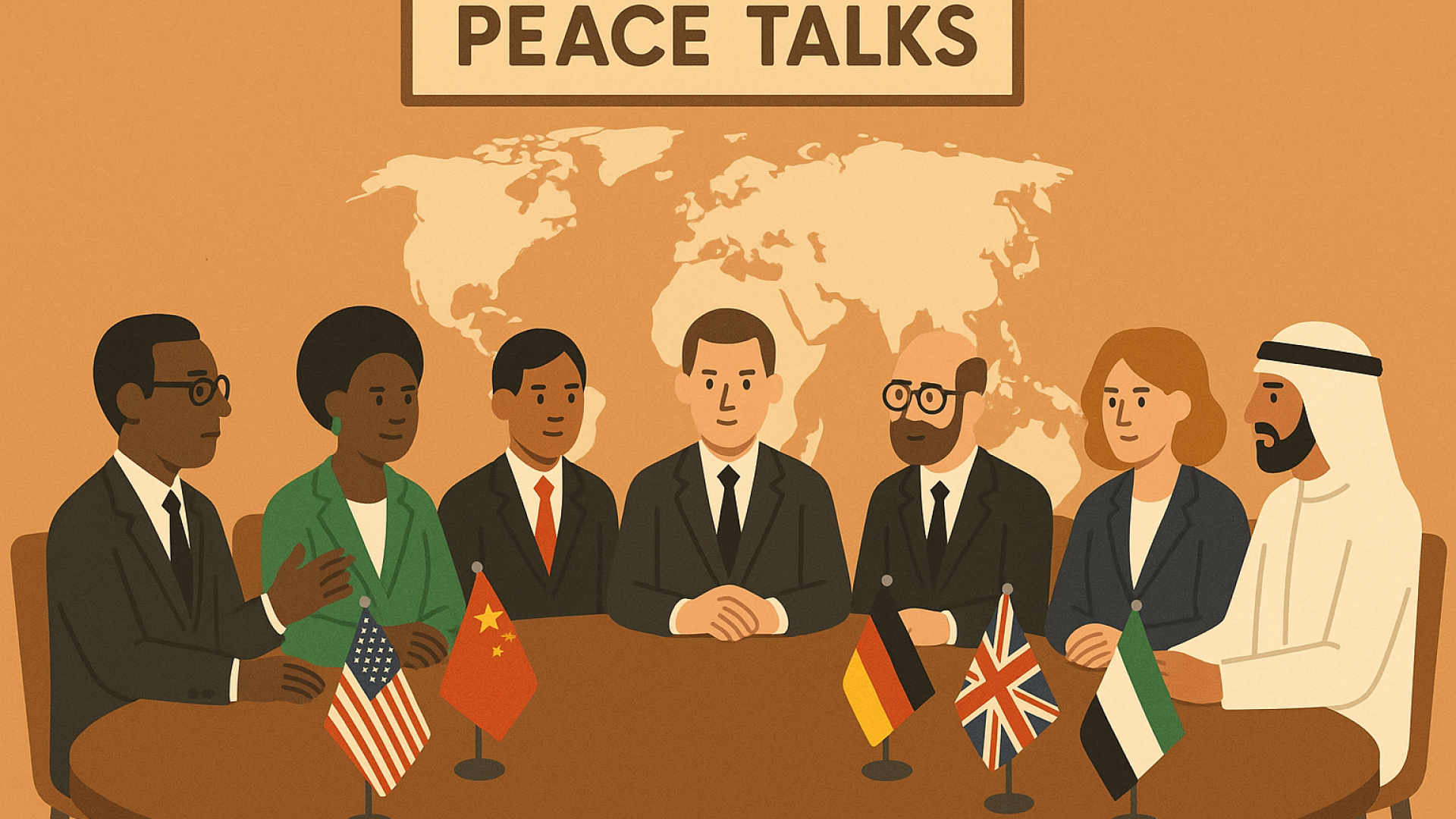
As the conflict in Ukraine continues to dominate international headlines, recent developments indicate a renewed and intensified effort to seek diplomatic solutions. On March 22, 2026, Ukrainian officials confirmed that talks aimed at resolving the ongoing war will resume in the United States. This announcement comes amid a complex geopolitical landscape marked by persistent hostilities, shifting alliances, and growing global concerns about regional stability and humanitarian crises. The resumption of these talks underscores the urgent need for dialogue to halt the devastating consequences of the conflict and to explore pathways toward a sustainable peace.
Context: The Prolonged Conflict and Its Global Impact
The war in Ukraine, which began in early 2022, has evolved into one of the most significant and multifaceted conflicts in recent history. It involves not only the immediate parties—the Ukrainian government and Russian-backed forces—but also draws in a broad array of international actors through military aid, economic sanctions, and diplomatic interventions. The conflict has resulted in substantial loss of life, displacement of millions of people, and widespread destruction of critical infrastructure, severely impacting the social and economic fabric of the region.
Efforts to negotiate peace have faced numerous challenges, including deep-seated mistrust between the parties, divergent political objectives, and external pressures from global powers with competing interests. The United States, along with European allies, has played a pivotal role in facilitating dialogue and providing support to Ukraine, while also navigating the delicate balance of deterring further escalation and avoiding a broader regional conflict. Meanwhile, Russia's strategic goals and its responses to international sanctions continue to shape the dynamics of the conflict and the prospects for negotiation.
Beyond the immediate region, the war has had profound implications for global security, energy markets, and international relations. The conflict has strained diplomatic ties between major powers, disrupted global supply chains, and heightened concerns about the resurgence of great power competition. Humanitarian organizations have also raised alarms about the dire conditions faced by civilians caught in the crossfire, emphasizing the need for urgent and effective diplomatic engagement.
Core Issues in the Ukraine War Talks
The upcoming talks in the United States are expected to address several critical and deeply contentious issues that have hindered previous negotiations. These core topics include:
- Territorial Integrity: Ukraine insists on the restoration of its internationally recognized borders, including regions currently under contested control such as Crimea and parts of the Donbas. This issue remains a fundamental sticking point, as Russia maintains claims over some of these territories, complicating efforts to reach a mutually acceptable agreement.
- Security Guarantees: Both sides seek assurances to prevent future hostilities. Ukraine demands robust international guarantees, potentially including security arrangements involving NATO or other multilateral frameworks, to safeguard its sovereignty and deter aggression. Russia, on the other hand, has expressed concerns about NATO's eastward expansion and seeks assurances regarding its own security interests.
- Humanitarian Access: Ensuring safe passage for civilians and the unhindered delivery of humanitarian aid remains a pressing concern amid ongoing hostilities. Negotiators are expected to discuss mechanisms to facilitate humanitarian corridors, protect displaced populations, and address the needs of those affected by the conflict.
- Economic and Reconstruction Aid: Discussions are likely to include frameworks for post-conflict rebuilding and economic support. Given the extensive damage to Ukraine's infrastructure and economy, international assistance will be crucial for recovery, and linking aid to compliance with peace terms may serve as an incentive for cooperation.
These issues are further complicated by the involvement of external actors whose interests and strategies influence the negotiation dynamics. The interplay between regional powers, international organizations, and global stakeholders adds layers of complexity to the talks, requiring careful diplomacy and strategic patience.
Challenges to Successful Negotiations
Several factors contribute to the complexity of achieving a lasting resolution to the Ukraine conflict. These challenges include:
- Mutual Distrust: Years of conflict and broken agreements have eroded trust between the parties, making compromise difficult. Historical grievances and ongoing hostilities have fostered skepticism about the intentions and commitments of the opposing side.
- Domestic Political Pressures: Leaders on both sides face internal constituencies with strong and often polarized opinions on the conflict’s outcome. Political leaders must balance the demands of nationalist factions, public sentiment, and the need for peace, which can limit their flexibility in negotiations.
- Geopolitical Rivalries: The broader competition between Western countries and Russia adds layers of complexity to the talks. The conflict is viewed by many as a proxy battleground for larger strategic interests, influencing the positions and actions of external actors involved in the negotiation process.
- Information Warfare: Propaganda and misinformation campaigns have complicated public perception and diplomatic efforts. The spread of conflicting narratives undermines trust, fuels hostility, and hampers the ability of negotiators to build consensus.
Potential Solutions and Diplomatic Strategies
Despite these formidable challenges, experts and diplomats suggest several approaches that could facilitate progress toward a peaceful resolution:
- Incremental Confidence-Building Measures: Small-scale agreements, such as localized ceasefires, prisoner exchanges, or humanitarian pauses, could help build trust and create a more conducive environment for broader negotiations.
- Multilateral Mediation: Involving neutral international organizations or respected third-party mediators may help bridge gaps between the parties. Entities such as the United Nations, the Organization for Security and Co-operation in Europe (OSCE), or other regional bodies could provide frameworks for dialogue and monitoring compliance.
- Inclusive Dialogue: Engaging a broader range of stakeholders—including civil society groups, regional actors, and representatives of affected communities—could enhance the legitimacy and sustainability of any agreement. Inclusive processes may also address underlying social and political grievances that fuel the conflict.
- Economic Incentives: Linking reconstruction aid and economic support to compliance with peace terms might encourage cooperation and provide tangible benefits for adherence to agreements. International financial institutions and donor countries could play a key role in structuring such incentives.
Implementing these strategies will require sustained commitment, flexibility, and a willingness to compromise from all parties involved. The international community’s support and pressure will also be critical in maintaining momentum and ensuring accountability.
Implications for Regional and Global Stability
The outcome of the Ukraine war talks holds significant implications far beyond the immediate conflict zone. A peaceful resolution could stabilize Eastern Europe, reduce the risk of broader military confrontations, and set a precedent for resolving similar conflicts through diplomacy rather than force. It could also restore confidence in international norms regarding sovereignty and territorial integrity, reinforcing the rules-based international order.
Conversely, failure to reach an agreement may prolong suffering, exacerbate geopolitical tensions, and undermine international norms. Continued conflict risks further destabilization of the region, increased humanitarian crises, and potential spillover effects into neighboring countries. It could also deepen divisions among global powers, complicating cooperation on other critical international issues.
Global powers, including the United States, European Union, Russia, and China, will closely monitor the negotiations, as their interests and influence are deeply intertwined with the conflict’s trajectory. Their engagement, whether constructive or obstructive, will significantly shape the prospects for peace and the future security landscape.
Conclusion
The resumption of Ukraine war talks in the United States marks a critical juncture in efforts to end one of the most challenging and consequential conflicts of the 21st century. While obstacles remain formidable, the international community’s engagement and the willingness of the parties to negotiate offer a glimmer of hope amid ongoing violence and uncertainty. Achieving a durable peace will require patience, pragmatism, and a shared commitment to the principles of sovereignty, security, and human dignity.
As the talks unfold, observers and stakeholders alike will be watching closely, hopeful that diplomacy can prevail over violence and pave the way for a more stable and peaceful future. The path ahead is fraught with difficulties, but the potential rewards—a cessation of hostilities, reconstruction, and reconciliation—are profound and worth pursuing with unwavering dedication.