 1 hour ago
Introduction
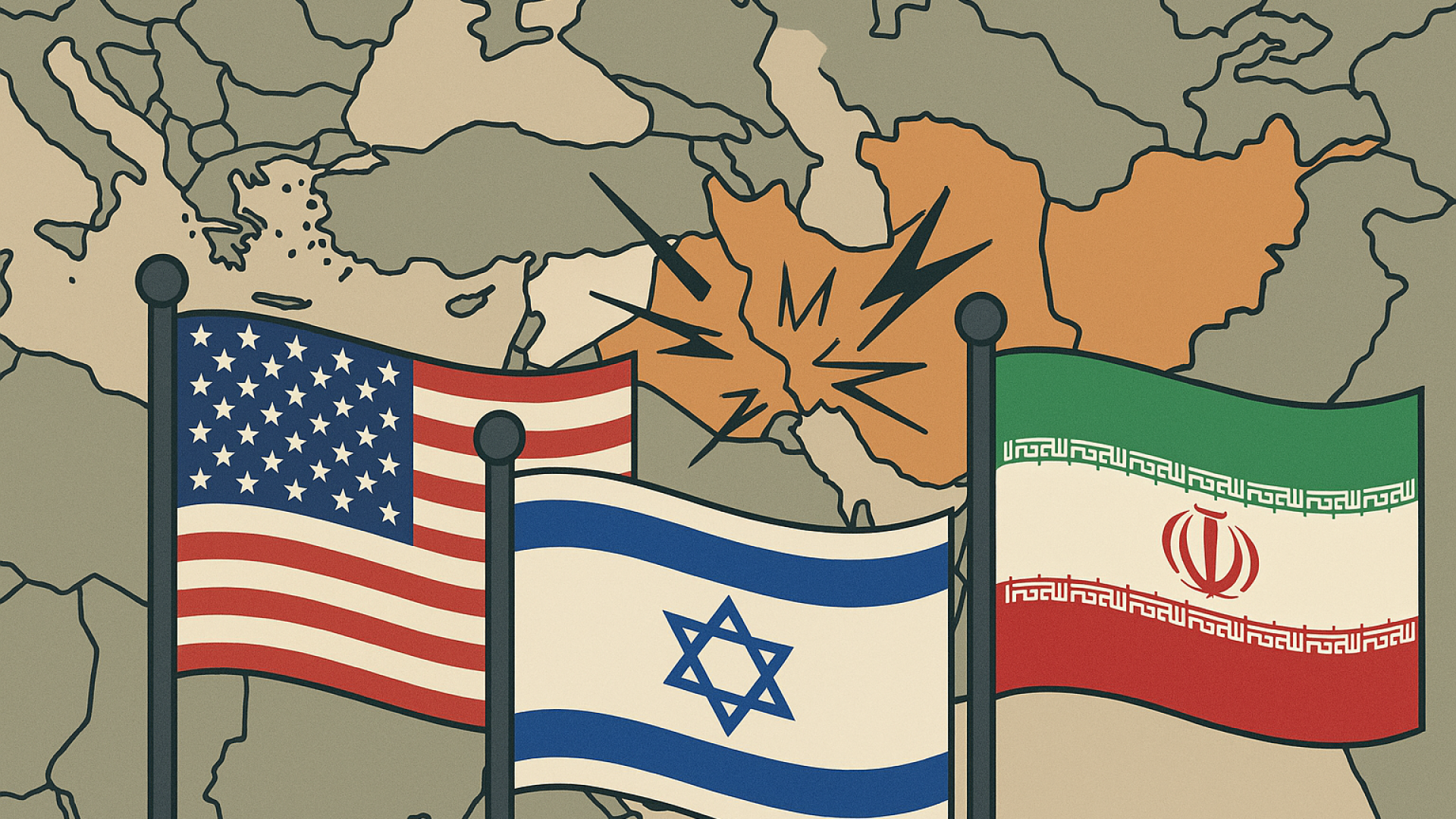
As of March 2026, the geopolitical landscape in the Middle East and beyond remains fraught with tension and uncertainty. The US-Israel-Iran conflict, a long-standing and deeply complex issue, has reached a critical juncture. The Trump administration, despite no longer holding office, continues to exert influence on the discourse surrounding this conflict, sending mixed signals that complicate diplomatic efforts. Meanwhile, global tensions are further exacerbated by ongoing conflicts such as the war in Ukraine and humanitarian crises like the recent strike on a Sudan hospital. This article explores the current state of the US-Israel-Iran conflict, the implications of the Trump administration’s stance, and the broader international context shaping these developments.
Context: The US-Israel-Iran Conflict and Trump’s Role
The conflict between the United States, Israel, and Iran has been a defining feature of Middle Eastern geopolitics for decades. At its core, it involves competing national interests, ideological divides, and security concerns. Israel views Iran’s nuclear ambitions and regional influence as existential threats, while Iran perceives US and Israeli policies as aggressive encroachments on its sovereignty.
During his presidency, Donald Trump adopted a hardline approach toward Iran, withdrawing the US from the 2015 Joint Comprehensive Plan of Action (JCPOA) nuclear deal and imposing stringent sanctions. This move was intended to curb Iran’s nuclear program and limit its regional influence through economic pressure and diplomatic isolation. However, the consequences of this policy shift have been mixed. While sanctions have indeed strained Iran’s economy, they have also pushed Tehran to deepen ties with alternative partners such as China and Russia, and to accelerate its nuclear activities covertly.
Since leaving office, Trump’s public statements and actions regarding Iran have been inconsistent and at times contradictory. On one hand, he has suggested a "winding down" of the conflict and easing of sanctions, hinting at a possible diplomatic thaw. On the other hand, he has advocated for increased US military presence in the Middle East, emphasizing deterrence and readiness to respond to Iranian provocations. This contradictory messaging has left policymakers, allies, and adversaries uncertain about the US’s true intentions, complicating efforts to stabilize the region.
Core Issues at the Crossroads
1. Military Escalation vs. Diplomatic Engagement
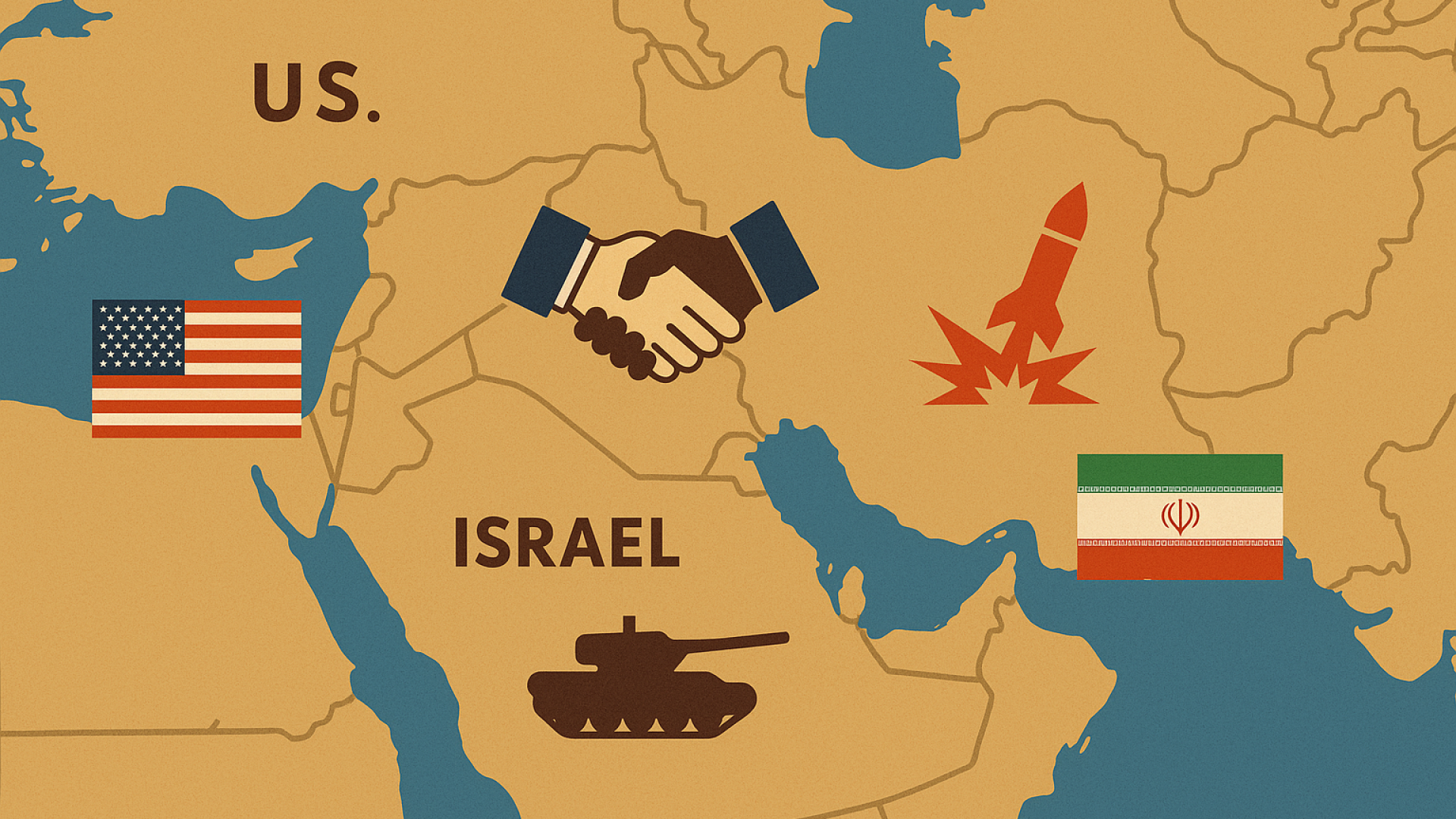
The Trump administration’s mixed signals have contributed to a precarious balance between military escalation and diplomatic efforts. The US has increased troop deployments and military assets in the Middle East, ostensibly to deter Iranian aggression and protect key allies such as Israel and Gulf states. These deployments include advanced missile defense systems and naval forces positioned strategically in the Persian Gulf and Red Sea.
Simultaneously, there are ongoing back-channel negotiations and indirect talks aimed at de-escalation. These diplomatic efforts, often conducted through intermediaries and international organizations, seek to revive some form of agreement that would limit Iran’s nuclear program while addressing regional security concerns. However, the lack of a clear and consistent US policy hampers these initiatives, as Iran remains skeptical of Washington’s intentions.
Israel remains vigilant and proactive, conducting targeted operations against Iranian proxies and infrastructure in Syria, Lebanon, and elsewhere. These actions, intended to disrupt Iran’s regional foothold, risk provoking retaliatory strikes and escalating the conflict further. The delicate balance between deterrence and provocation is increasingly fragile, with the potential for miscalculations leading to wider hostilities.
2. Sanctions and Economic Pressure
Sanctions remain a primary tool in the US strategy to curb Iran’s nuclear program and regional activities. The Trump administration’s re-imposition of sanctions after withdrawing from the JCPOA was designed to exert maximum economic pressure. These sanctions target key sectors such as oil exports, banking, and shipping, aiming to isolate Iran financially and limit its ability to fund proxy groups.
However, the effectiveness of sanctions is debated. Iran has demonstrated resilience by developing domestic industries, engaging in smuggling networks, and forging closer economic ties with countries willing to circumvent US restrictions. Moreover, sanctions have had significant humanitarian impacts on the Iranian population, contributing to economic hardship and social unrest.
The Trump administration’s vacillating stance on sanctions—sometimes signaling potential relief and at other times threatening intensification—adds complexity to international efforts. Allies and partners are uncertain about the US’s long-term commitment to sanctions, which affects their willingness to enforce them rigorously. This ambiguity undermines the collective pressure needed to influence Iran’s behavior effectively.
3. Regional Alliances and Proxy Conflicts
The Middle East is a mosaic of alliances and proxy battles that complicate the US-Israel-Iran conflict. Iran’s support for non-state actors such as Hezbollah in Lebanon, militias in Iraq, the Assad regime in Syria, and Houthi rebels in Yemen extends its influence but also fuels instability. These proxies engage in asymmetric warfare, including rocket attacks, sabotage, and cyber operations, challenging conventional military responses.
The US and Israel’s efforts to counter these proxies involve intelligence sharing, targeted strikes, and diplomatic pressure on host governments. However, these measures often provoke retaliatory actions and deepen sectarian divides. The proxy conflicts also draw in regional powers like Saudi Arabia, Turkey, and the United Arab Emirates, each pursuing their own strategic interests, which further complicates the conflict dynamics.
Efforts to address these proxy conflicts require nuanced understanding of local grievances, power balances, and historical animosities. Without addressing the root causes, military actions alone risk perpetuating cycles of violence and instability.
Broader International Context
The US-Israel-Iran conflict does not exist in isolation. It intersects with other global issues, including the ongoing war in Ukraine, which has seen renewed peace talks scheduled in the US. The international community’s attention is divided, and resources stretched thin. The war in Ukraine has reshaped global alliances and economic conditions, influencing energy markets and defense priorities worldwide.
Additionally, humanitarian crises such as the recent strike on a Sudan hospital, which killed dozens including children and medical staff, highlight the fragility of global peace and the urgent need for coordinated responses. These crises divert international focus and resources, making it more challenging to address the complex Middle Eastern conflict effectively.
Moreover, political dynamics within the US continue to influence foreign policy. Trump’s persistent targeting of figures like Robert Mueller, even posthumously, and his contested campaigns against campus antisemitism reflect deep domestic divisions. These internal conflicts spill over into international relations, affecting the coherence and credibility of US foreign policy. The polarized political environment complicates the formulation of a unified approach toward Iran and the broader Middle East.
Potential Solutions and Pathways Forward
1. Clear and Consistent US Policy
For meaningful progress, the US must adopt a clear and consistent policy toward Iran and the broader Middle East. Mixed messages undermine credibility and embolden adversaries. A unified approach that balances deterrence with diplomatic engagement could reduce tensions and open avenues for negotiation.
This policy should articulate clear red lines regarding Iran’s nuclear activities and regional behavior, while offering incentives for compliance and constructive engagement. Consistency in messaging and actions would reassure allies and partners, while signaling to Iran the seriousness of US commitments.
2. Revitalizing Multilateral Diplomacy
Re-engaging with international partners and institutions is crucial. Reviving frameworks like the JCPOA with updated terms, involving regional stakeholders, and leveraging the United Nations could help manage the conflict more effectively.
Multilateral diplomacy can provide mechanisms for verification, dispute resolution, and confidence-building. Including regional actors such as Gulf Cooperation Council members and even Iran’s neighbors could foster a more comprehensive security architecture. This approach would also distribute responsibility and reduce the burden on any single actor.
3. Addressing Proxy Conflicts and Regional Security
Efforts to resolve proxy conflicts require comprehensive strategies that address underlying grievances and power dynamics. Confidence-building measures between Israel and its neighbors, alongside humanitarian initiatives, could reduce hostilities.
Dialogue platforms that include non-state actors and local communities may help de-escalate tensions. Economic development programs and reconstruction efforts in conflict-affected areas can also undermine the appeal of militant groups. Regional security frameworks that promote transparency and cooperation could gradually replace zero-sum competition.
4. Integrating Global Conflict Resolution Efforts
Linking peace efforts in the Middle East with broader international conflict resolution, including the Ukraine war talks, may create synergies. Coordinated diplomacy can help prevent conflicts from escalating and diverting global attention and resources.
By aligning diplomatic initiatives and sharing intelligence, the international community can better manage overlapping crises. This integrated approach recognizes the interconnected nature of modern conflicts and the need for holistic solutions that address political, economic, and humanitarian dimensions.
Conclusion
The US-Israel-Iran conflict stands at a critical crossroads in 2026, shaped by the legacy and ongoing influence of the Trump administration’s policies and rhetoric. Navigating this complex geopolitical terrain requires clarity, consistency, and multilateral cooperation. As global tensions rise and humanitarian crises deepen, the international community faces an urgent imperative to pursue sustainable peace and stability.
The coming months will be pivotal in determining whether diplomacy can prevail over conflict or if the region will descend further into instability. Success will depend on the willingness of all parties to engage constructively, the ability of the US to present a coherent policy, and the commitment of global actors to support peaceful resolutions. Without these elements, the risk of escalation and wider regional destabilization remains high.