 4 months ago
Introduction
In an era where environmental concerns are increasingly urgent and the consequences of unsustainable living become more apparent, communities worldwide are seeking effective and practical ways to embrace sustainability. WasteNot Emerson, a grassroots initiative based in the Emerson community, has emerged as a beacon of hope and action. This movement encourages residents, businesses, and institutions to adopt sustainable lifestyles, focusing on waste reduction, resource conservation, and environmental education. By fostering a culture of responsibility and innovation, WasteNot Emerson aims to transform the community into a model of environmental stewardship.
Context: The Growing Need for Sustainable Practices
The global environmental crisis, marked by climate change, pollution, and resource depletion, demands immediate and sustained action from all sectors of society. Local communities play a critical role in this effort, as their collective behaviors significantly impact ecological footprints and the health of the planet. Emerson, like many communities around the world, faces challenges such as waste management inefficiencies, high consumption rates, and limited public awareness about sustainability and its practical applications.
Recognizing these challenges, WasteNot Emerson was founded to foster a culture of sustainability through practical, community-driven solutions. The initiative aligns with broader environmental goals, including reducing landfill waste, lowering carbon emissions, promoting circular economy principles, and enhancing community resilience. By addressing local issues with tailored programs, WasteNot Emerson seeks to empower individuals and organizations to make environmentally conscious decisions that collectively lead to significant positive change.
Core Initiatives of WasteNot Emerson
WasteNot Emerson operates through several key programs designed to engage the community and facilitate sustainable living. These initiatives are rooted in education, collaboration, and innovation, ensuring that sustainability becomes an accessible and integral part of daily life for Emerson residents.
- Educational Workshops and Campaigns: Regular workshops are held to educate residents on a wide range of topics such as composting techniques, recycling best practices, energy conservation methods, and sustainable consumption habits. These workshops are complemented by awareness campaigns that highlight the environmental impact of everyday choices, encouraging community members to adopt greener lifestyles. The educational efforts also include guest speakers, hands-on demonstrations, and distribution of resource materials to ensure comprehensive learning.
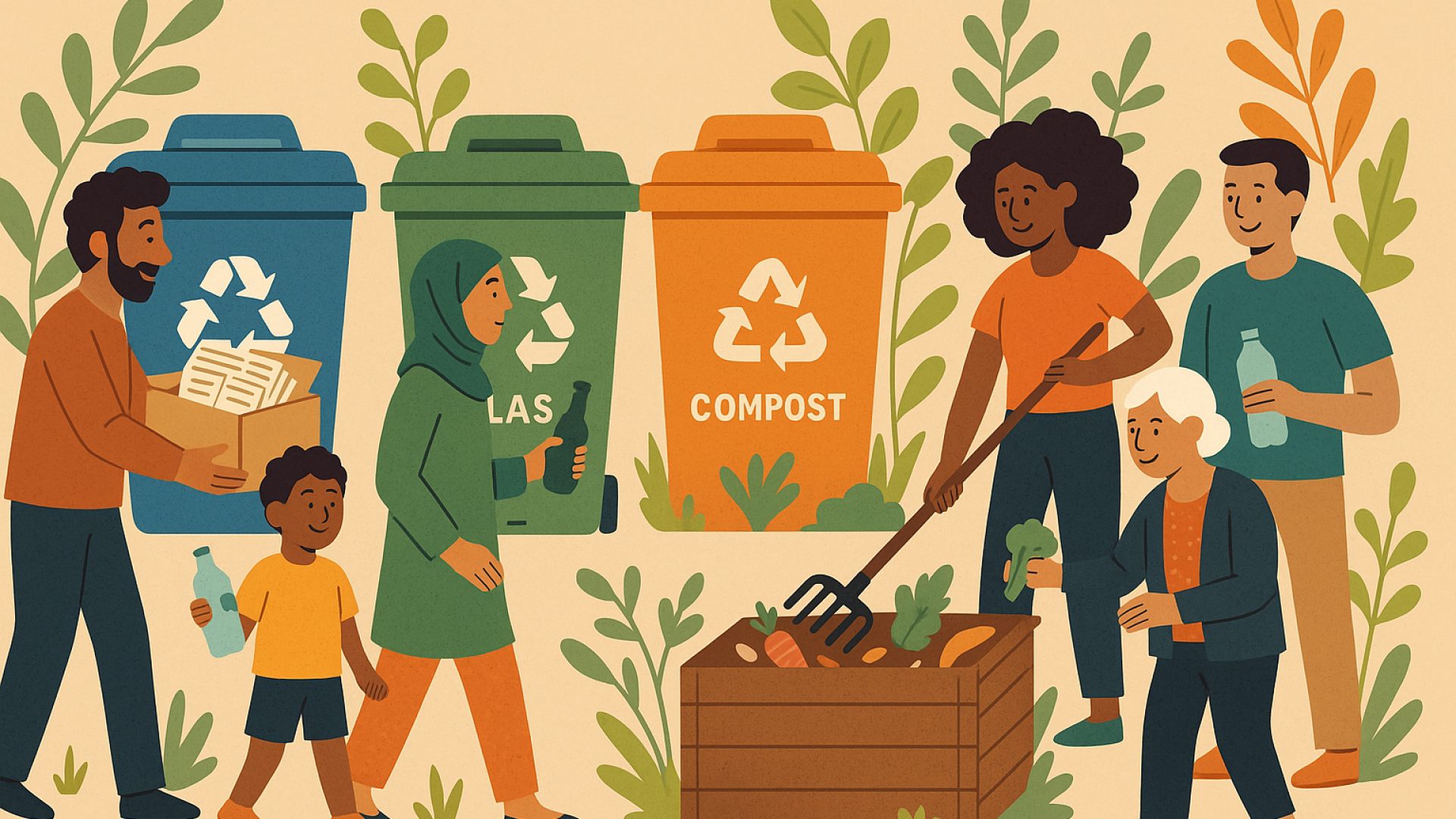
- Community Composting Programs: To address the significant issue of organic waste, WasteNot Emerson has established multiple community composting sites where residents can deposit food scraps, yard waste, and other compostable materials. These sites transform organic waste into valuable compost that is then used to enrich local gardens, parks, and green spaces. This initiative not only reduces the volume of waste sent to landfills but also promotes soil health and supports local food production efforts.
- Zero-Waste Events: The initiative organizes and supports events that minimize waste generation by encouraging the use of reusable materials, eliminating single-use plastics, and promoting responsible consumption. These zero-waste events serve as practical demonstrations of sustainable event planning and inspire attendees to incorporate similar principles into their own lives. WasteNot Emerson provides guidelines, resources, and volunteer support to ensure these events are successful and impactful.
- Partnerships with Local Businesses: Collaborations with Emerson businesses aim to reduce packaging waste, implement sustainable sourcing practices, and promote eco-friendly products. By working closely with the local business community, WasteNot Emerson helps create a market for sustainable goods and services, encourages corporate social responsibility, and fosters a culture of environmental accountability. These partnerships often include joint campaigns, sustainability audits, and recognition programs for businesses that demonstrate leadership in environmental practices.
- Resource Sharing Platforms: WasteNot Emerson facilitates sharing and reuse through digital and physical platforms where community members can exchange items such as clothing, tools, furniture, and household goods. This reduces the need for new purchases, minimizes waste, and strengthens community connections. The platforms are designed to be user-friendly and inclusive, encouraging participation from all demographics within Emerson.
Impact and Community Engagement
Since its inception, WasteNot Emerson has made measurable progress in fostering sustainable habits and reducing the community's environmental footprint. Participation rates in educational workshops have steadily increased, reflecting growing interest and commitment among residents. Community composting sites have successfully diverted significant amounts of organic waste from landfills, contributing to lower methane emissions and improved local soil quality. Local businesses involved in the program report reductions in packaging waste and increased customer interest in sustainable products, demonstrating the economic as well as environmental benefits of the initiative.
Moreover, WasteNot Emerson has strengthened community bonds by creating spaces for collaboration, shared learning, and collective responsibility. Residents express a growing sense of pride and ownership over their environmental impact, which is crucial for long-term behavioral change. The initiative has also fostered partnerships with schools, civic organizations, and local government, further embedding sustainability into the fabric of community life. These efforts have helped build a resilient and environmentally conscious community that serves as a model for other towns and cities.
Challenges and Areas for Improvement
Despite its successes, WasteNot Emerson faces several challenges common to community sustainability efforts. These obstacles highlight areas where additional focus and resources are needed to sustain and expand the initiative's impact.
- Resource Limitations: Funding constraints and limited volunteer availability can restrict the scope and reach of programs. Securing consistent financial support and recruiting dedicated volunteers remain ongoing priorities to ensure program continuity and growth.
- Behavioral Resistance: Changing long-standing habits and cultural norms requires persistent education, motivation, and reinforcement. Some community members may be hesitant or skeptical about adopting new practices, underscoring the need for tailored communication strategies and inclusive engagement.
- Infrastructure Needs: Enhancing recycling and composting infrastructure is necessary to accommodate growing participation and improve efficiency. This includes expanding collection sites, upgrading processing facilities, and integrating technology to streamline operations.
Addressing these challenges will require strategic planning, increased community involvement, and potential partnerships with governmental agencies, environmental organizations, and private sector stakeholders. By leveraging diverse resources and expertise, WasteNot Emerson can overcome barriers and continue to advance its mission.
Solutions and Future Directions
To build on its momentum and address existing challenges, WasteNot Emerson is exploring several forward-looking strategies aimed at enhancing program effectiveness and community impact.
- Grant Applications and Fundraising: The initiative is actively pursuing grants from environmental foundations, government programs, and private donors to secure additional funding. Fundraising events and campaigns are also planned to engage the community and raise awareness about the importance of supporting sustainability efforts.
- Enhanced Educational Outreach: WasteNot Emerson plans to utilize digital platforms, social media, and interactive online resources to reach a broader audience. This approach will provide accessible sustainability education, facilitate virtual workshops, and foster ongoing engagement beyond in-person events.
- Policy Advocacy: The initiative aims to collaborate with local government officials to implement supportive policies such as improved waste collection services, incentives for sustainable business practices, and regulations that encourage waste reduction. Advocacy efforts will focus on creating an enabling environment for sustainability at the municipal level.
- Youth Engagement: Recognizing the importance of empowering the next generation, WasteNot Emerson is developing programs targeted at schools and youth organizations. These programs will instill sustainable values early, provide hands-on learning opportunities, and encourage youth leadership in environmental stewardship.
By embracing these strategies, WasteNot Emerson seeks to deepen its impact, foster innovation, and ensure the long-term sustainability of its initiatives.
Conclusion
WasteNot Emerson exemplifies how community-driven initiatives can play a pivotal role in advancing sustainability and environmental responsibility. Through a combination of education, collaboration, and practical solutions, the Emerson community is making meaningful strides toward reducing waste, conserving resources, and protecting the environment. While challenges remain, the initiative’s adaptive approach, strong community engagement, and commitment to continuous improvement offer a promising path forward. As more communities look to emulate such models, WasteNot Emerson stands as a testament to the power of collective action in building a sustainable future for all.