 1 hour ago
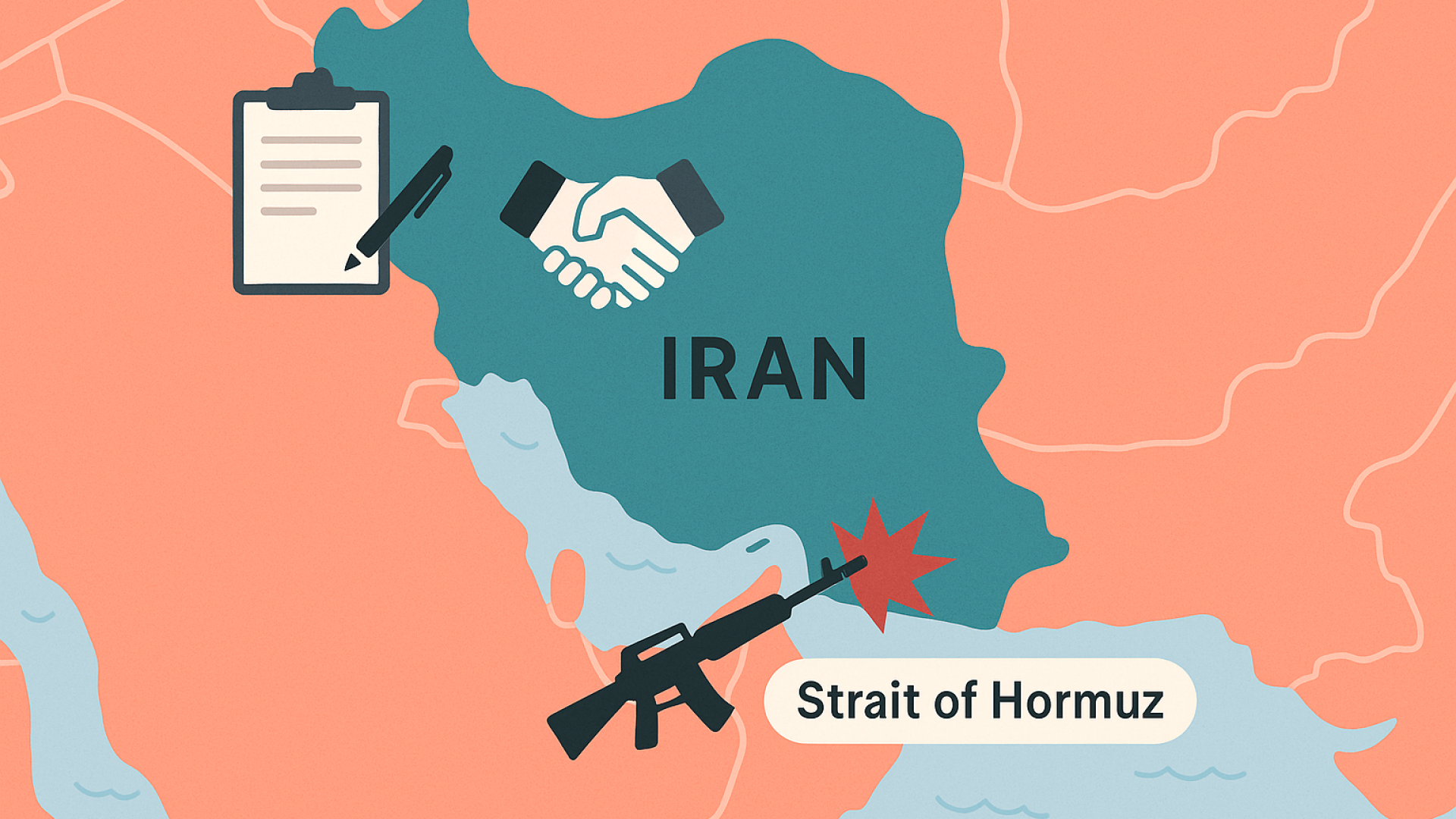
The ongoing conflict in Iran continues to dominate international headlines in 2026, highlighting the intricate geopolitical dynamics and the far-reaching consequences that extend beyond the Middle East. As Congress and global leaders grapple with potential exit strategies, the war underscores the vulnerability of critical global infrastructures such as the Strait of Hormuz, a vital artery for the world's oil supply. This article explores the context, core issues, and possible solutions surrounding the Iran conflict, while also examining the broader implications for energy security, regional stability, and international diplomacy.
Context: The Escalation of the Iran Conflict
Since its escalation in late 2025, the conflict in Iran has drawn significant international attention due to its complexity and potential to destabilize the broader Middle East region. Rooted in longstanding political, religious, and economic tensions, the war has involved multiple factions within Iran, as well as external actors with vested interests. The United States Congress, along with allied nations, has been actively debating the best course of action, weighing the risks of prolonged engagement against the consequences of a premature withdrawal.
The conflict's persistence has been fueled by a combination of internal dissent, proxy engagements, and strategic maneuvers by regional powers. The Iranian government’s stance, coupled with opposition groups and foreign interventions, has created a multifaceted battlefield that challenges traditional diplomatic and military approaches. The complexity is further compounded by the involvement of non-state actors and shifting alliances, which have blurred the lines between conventional warfare and asymmetric tactics.
Moreover, the conflict has been influenced by broader regional rivalries, particularly between Iran and neighboring Gulf states, as well as the strategic interests of global powers such as Russia and China. These dynamics have transformed the Iran conflict into a proxy battleground, where competing agendas intersect, making resolution efforts increasingly complicated.
Core Issues: Vulnerability of the Strait of Hormuz and Energy Security
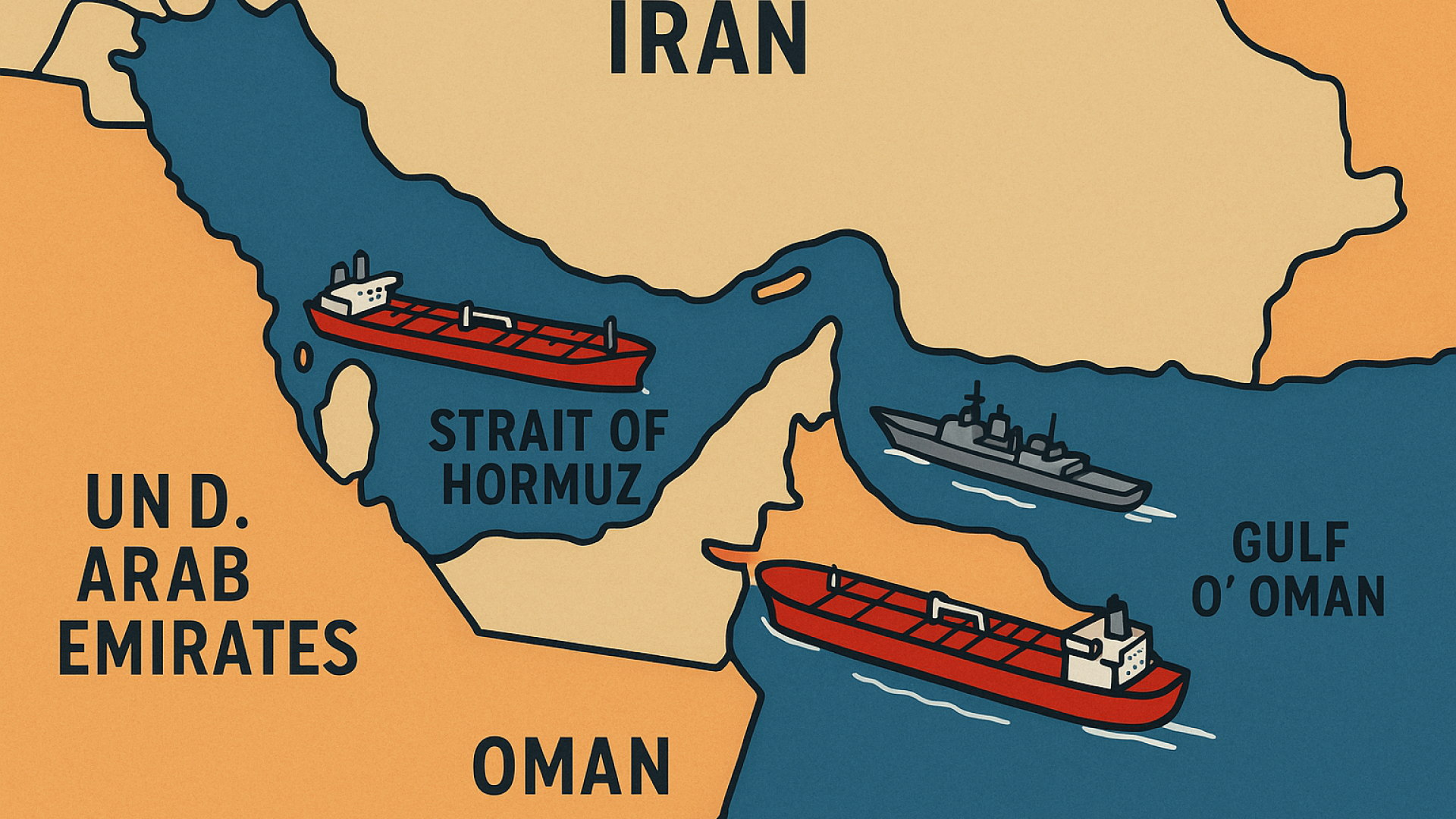
One of the most critical concerns arising from the Iran conflict is the security of the Strait of Hormuz, a narrow waterway through which approximately 20% of the world's petroleum passes. The strait's strategic importance cannot be overstated, as any disruption could trigger significant volatility in global oil markets, affecting energy prices and economic stability worldwide.
Recent incidents involving naval confrontations and threats to commercial shipping have heightened fears about the strait's safety. Iran's ability to exert control or influence over this passage has become a focal point in the conflict, with potential blockades or attacks posing severe risks to international trade. The use of mines, fast-attack boats, and missile systems by Iranian forces has increased the threat level, prompting international naval coalitions to enhance patrols and surveillance in the region.
In parallel, the conflict has intensified the global energy crisis, particularly impacting countries heavily reliant on Middle Eastern oil and gas supplies. Nations such as India have faced challenges in securing stable energy imports, prompting efforts to diversify sources and enhance domestic energy resilience. The volatility in supply has led to price spikes, affecting not only energy markets but also global inflation rates and economic growth forecasts.
Furthermore, the uncertainty surrounding the Strait of Hormuz has accelerated discussions on alternative energy transit routes and the development of strategic petroleum reserves by various countries. These measures aim to buffer against potential supply shocks and reduce the global economy's vulnerability to regional conflicts.
India’s Energy Resilience Amid the Middle East Gas Crisis
India, as one of the world's fastest-growing economies, has been navigating the complexities of the Middle East gas crisis with strategic foresight. The summer of 2026 presents heightened power demand, and the ongoing conflict threatens to disrupt traditional supply chains. In response, India has accelerated investments in renewable energy, expanded liquefied natural gas (LNG) import infrastructure, and strengthened diplomatic ties with alternative energy suppliers.
This multifaceted approach aims to mitigate the risks posed by geopolitical instability and ensure energy security for millions of citizens. India's experience serves as a case study in balancing immediate energy needs with long-term sustainability goals amid global uncertainties. The government has also launched initiatives to improve energy efficiency and promote electric mobility, reducing overall dependence on fossil fuels.
Additionally, India has engaged in strategic partnerships with countries in Africa, Central Asia, and the Americas to diversify its energy portfolio. These efforts include exploring new oil and gas fields, investing in renewable projects, and participating in international energy forums to foster cooperation and knowledge exchange.
Congress Seeks Exit Strategy: Balancing Diplomacy and Military Engagement
Within the United States, Congressional debates have intensified over the appropriate exit strategy from the Iran conflict. Lawmakers face the challenge of reconciling public fatigue with the complexities of regional security and the potential repercussions of withdrawal. Various proposals have emerged, ranging from phased troop reductions to increased diplomatic engagement and multilateral negotiations.
Key considerations include safeguarding allies in the region, preventing the resurgence of extremist groups, and maintaining freedom of navigation in international waters. The debate reflects broader questions about America's role on the world stage and the effectiveness of military interventions in achieving lasting peace. Some lawmakers advocate for a comprehensive diplomatic framework that includes Iran, regional powers, and global stakeholders to address the root causes of the conflict.
Others emphasize the importance of maintaining a robust military presence to deter aggression and protect critical infrastructure. The administration has also been exploring hybrid approaches that combine security assistance with intensified diplomatic outreach, aiming to create conditions conducive to a sustainable resolution.
Potential Solutions and Pathways Forward
Addressing the Iran conflict requires a comprehensive strategy that integrates diplomatic, economic, and security dimensions. Potential solutions include:
- Multilateral Diplomacy: Engaging regional and global stakeholders in dialogue to address underlying grievances and build consensus on conflict resolution. This includes reviving stalled negotiations, involving international organizations, and promoting confidence-building measures.
- Energy Diversification: Encouraging affected nations to diversify energy sources and invest in renewable alternatives to reduce dependency on vulnerable supply routes. This strategy also involves enhancing energy storage capabilities and developing regional energy grids.
- Enhanced Maritime Security: Strengthening international naval cooperation to secure critical waterways like the Strait of Hormuz and ensure safe passage for commercial vessels. Joint patrols, intelligence sharing, and coordinated responses to threats are key components.
- Humanitarian Assistance: Providing aid to affected populations to alleviate suffering and support stabilization efforts. This includes medical aid, food security programs, and support for displaced communities.
- Conflict De-escalation Measures: Implementing confidence-building initiatives and ceasefire agreements to reduce hostilities and create space for negotiations. Monitoring mechanisms and third-party mediation can facilitate trust among conflicting parties.
In addition to these measures, fostering economic development and addressing social grievances within Iran and the broader region are essential to achieving lasting peace. International support for reconstruction and governance reforms can help stabilize fragile areas and reduce the appeal of extremist ideologies.
Conclusion: The Imperative of Global Cooperation
The Iran conflict in 2026 exemplifies the intricate interplay between regional disputes and global security concerns. Its impact on energy markets, international trade routes, and geopolitical alliances underscores the necessity for coordinated responses that transcend national interests. As Congress and world leaders seek viable exit strategies, the path forward demands patience, pragmatism, and a commitment to multilateralism.
Ultimately, the resolution of this conflict will hinge on the ability of diverse actors to engage constructively, prioritize stability, and address the root causes of tension. The lessons learned from this crisis will shape international relations and energy policies for years to come, emphasizing the interconnectedness of peace, prosperity, and security in an increasingly complex world.
In this context, fostering dialogue, investing in sustainable energy solutions, and reinforcing international norms governing maritime security are not merely strategic choices but imperatives for global stability. The collective efforts of governments, international organizations, and civil society will determine whether the world can navigate these challenges successfully and build a more secure and prosperous future for all.