 4 months ago
Introduction
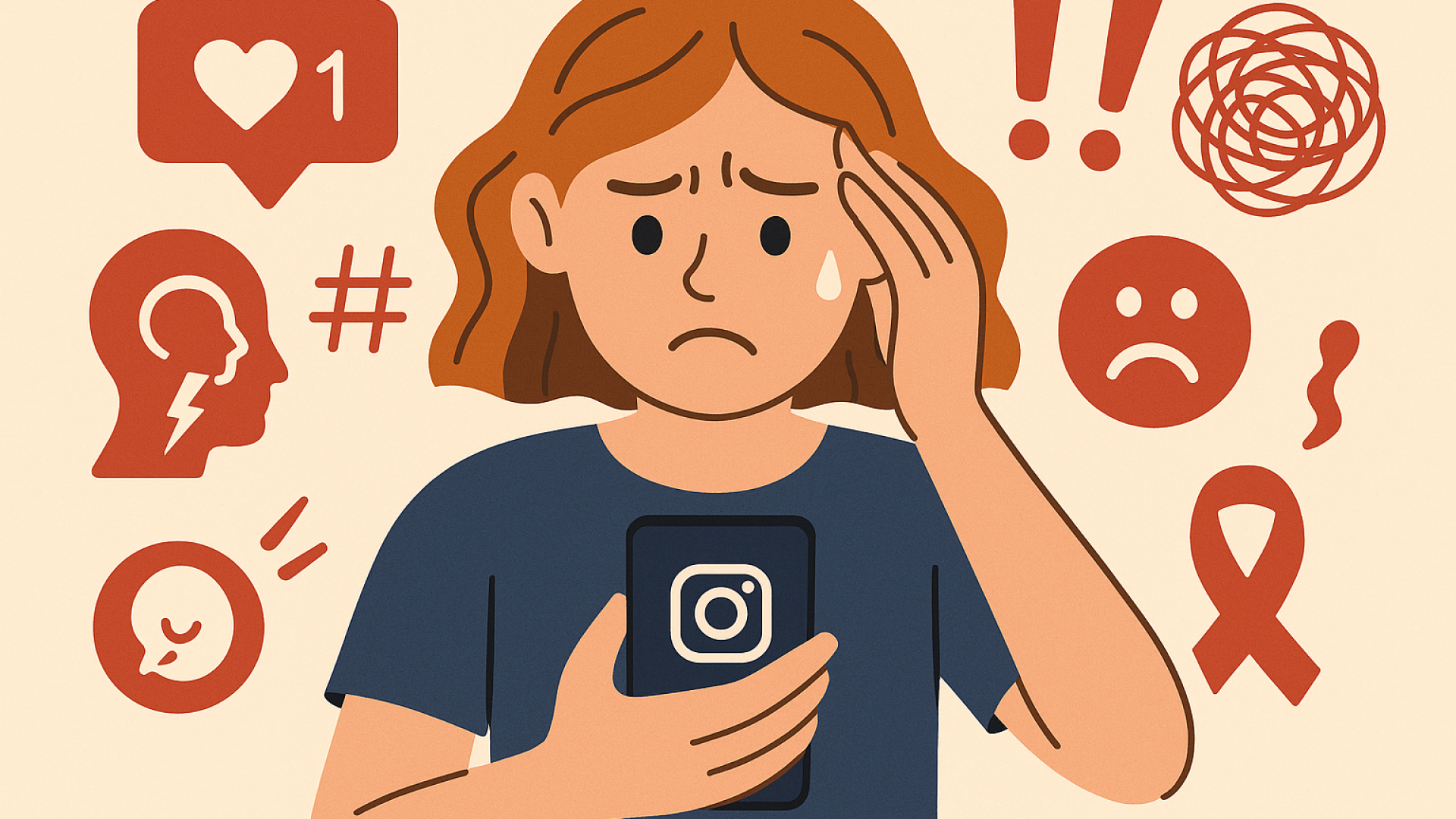
In an era dominated by social media, the impact of these platforms on mental health has become a critical subject of study and public concern. On March 19, 2026, a groundbreaking global study was released, revealing that Instagram has a more detrimental effect on mental health than WhatsApp and other popular social media applications. This revelation has sparked widespread discussion among mental health professionals, policymakers, and users worldwide, highlighting the urgent need to understand how different social media environments affect psychological well-being.
Context: The Rise of Social Media and Mental Health Concerns
Social media platforms have transformed communication, entertainment, and information sharing over the past two decades. Instagram, launched in 2010, quickly became one of the most popular platforms, especially among younger demographics, due to its visual-centric design and influencer culture. WhatsApp, primarily a messaging app, also boasts over two billion users globally, facilitating instant communication across diverse populations.
Despite their popularity and utility, concerns about the psychological effects of social media have grown steadily. Numerous studies have linked excessive or problematic use of social media to increased rates of anxiety, depression, loneliness, and decreased self-esteem. However, the degree to which each platform uniquely affects mental health has remained less clear until now, with many previous studies focusing on social media as a monolithic entity rather than differentiating between platforms.
The Core Findings of the 2026 Global Study
The recent study, conducted by an international consortium of psychologists, sociologists, and data scientists, surveyed over 100,000 participants across 50 countries. It employed a combination of self-reported mental health assessments, usage data, and behavioral analysis to evaluate the psychological impact of various social media platforms in a comprehensive and comparative manner.
- Instagram's Negative Impact: Instagram users reported significantly higher levels of anxiety, depression, and body image dissatisfaction compared to users of other platforms. The study attributes this to Instagram's emphasis on curated visual content, which often promotes unrealistic beauty standards and lifestyle comparisons that can erode users' self-worth and mental stability.
- WhatsApp's Relative Positivity: In contrast, WhatsApp users showed lower levels of mental health issues, likely due to its private, direct messaging format fostering more genuine interpersonal communication and emotional support, which can act as a buffer against mental health challenges.
- Other Platforms: Platforms like Facebook, Twitter, and TikTok showed mixed results, with some users experiencing negative effects such as exposure to misinformation or cyberbullying, while others reported positive social connectivity benefits and community engagement opportunities.
Understanding Why Instagram Is More Harmful
The study delves into several mechanisms explaining Instagram's outsized negative impact on mental health, providing a nuanced understanding of the platform's unique challenges:
- Visual Comparison Culture: Instagram's feed promotes idealized images that can lead to harmful social comparisons and feelings of inadequacy. Users often compare their real lives to the highly curated and edited portrayals of others, which can foster dissatisfaction and lowered self-esteem.
- Algorithmic Amplification: The platform's algorithms prioritize content that generates strong emotional reactions, often favoring sensational or appearance-focused posts. This can create echo chambers of unrealistic standards and exacerbate feelings of anxiety or depression.
- Influencer Economy: The rise of influencers creates pressure on users to conform to certain aesthetics and lifestyles, exacerbating stress and self-esteem issues. The constant exposure to influencer content can make ordinary users feel inadequate or excluded.
- Engagement Metrics: Likes, comments, and follower counts serve as social validation metrics, which can negatively affect users' self-worth when expectations are unmet. The pursuit of these metrics can lead to addictive behaviors and emotional distress.
Broader Implications for Society and Policy
The findings have significant implications for public health, social policy, and platform governance. Mental health experts warn that the pervasive use of Instagram among adolescents and young adults could contribute to a growing mental health crisis, with long-term consequences for societal well-being and productivity. Governments and regulatory bodies are urged to consider stricter oversight of social media algorithms and content moderation practices to mitigate these risks.
Educational institutions and parents are also encouraged to promote digital literacy and healthy social media habits to mitigate risks. Teaching young people how to critically engage with social media content and recognize its potential harms is essential. Additionally, the study highlights the need for social media companies to redesign platforms with mental well-being as a priority, incorporating ethical design principles that reduce harm.
Potential Solutions and Industry Responses
In response to the study, several solutions have been proposed and are beginning to take shape across the industry and regulatory landscape:
- Algorithm Transparency: Advocates call for greater transparency in how content is prioritized and recommended to users, enabling users and regulators to understand and challenge potentially harmful algorithmic decisions.
- Mental Health Features: Platforms like Instagram are exploring features such as time-use reminders, content filters, and mental health resources integrated into the app to help users manage their engagement and access support when needed.
- Regulatory Measures: Some countries are considering legislation to limit addictive design elements, require mental health impact assessments for social media platforms, and enforce stricter data privacy protections to safeguard users.
- User Empowerment: Encouraging users to curate their feeds, limit screen time, and engage in offline activities to balance social media use is gaining traction as a practical approach to reduce negative mental health outcomes.
Conclusion
The 2026 global study underscores the urgent need to address the mental health challenges posed by social media, particularly Instagram. While these platforms offer undeniable benefits in connectivity and information sharing, their design and usage patterns can have profound psychological consequences that must not be overlooked. A collaborative effort involving users, mental health professionals, policymakers, and technology companies is essential to create a safer and healthier digital environment.
As society continues to navigate the complexities of digital life, awareness and proactive measures will be key to ensuring that social media serves as a tool for positive engagement rather than a source of mental distress. By fostering responsible platform design, informed user behavior, and effective regulation, it is possible to harness the benefits of social media while minimizing its harms.