 4 months ago
In an era where digital connectivity is paramount, telecommunications companies are under immense pressure to innovate and optimize their operations. Lumen Technologies, a major player in the global telecom sector, has recently announced a bold initiative to leverage artificial intelligence (AI) with the goal of cutting $1 billion in network costs. This strategic move not only highlights the growing importance of AI in infrastructure management but also sets a precedent for how technology can reshape the telecommunications landscape.
Context: The Growing Demand for Efficient Network Management
The telecommunications industry is facing unprecedented challenges. With the explosion of data traffic driven by streaming services, cloud computing, and the Internet of Things (IoT), network operators must find ways to scale their infrastructure efficiently. Traditional network management approaches, often reliant on manual processes and legacy systems, are increasingly inadequate to meet these demands.
Lumen Technologies, formerly known as CenturyLink, operates one of the largest fiber networks in the world, serving millions of customers across various sectors. The company’s network infrastructure is vast and complex, requiring constant maintenance, upgrades, and optimization to ensure reliability and performance. As data consumption continues to surge, the pressure to maintain seamless connectivity while controlling costs has never been greater.
The Core Initiative: AI-Powered Network Optimization
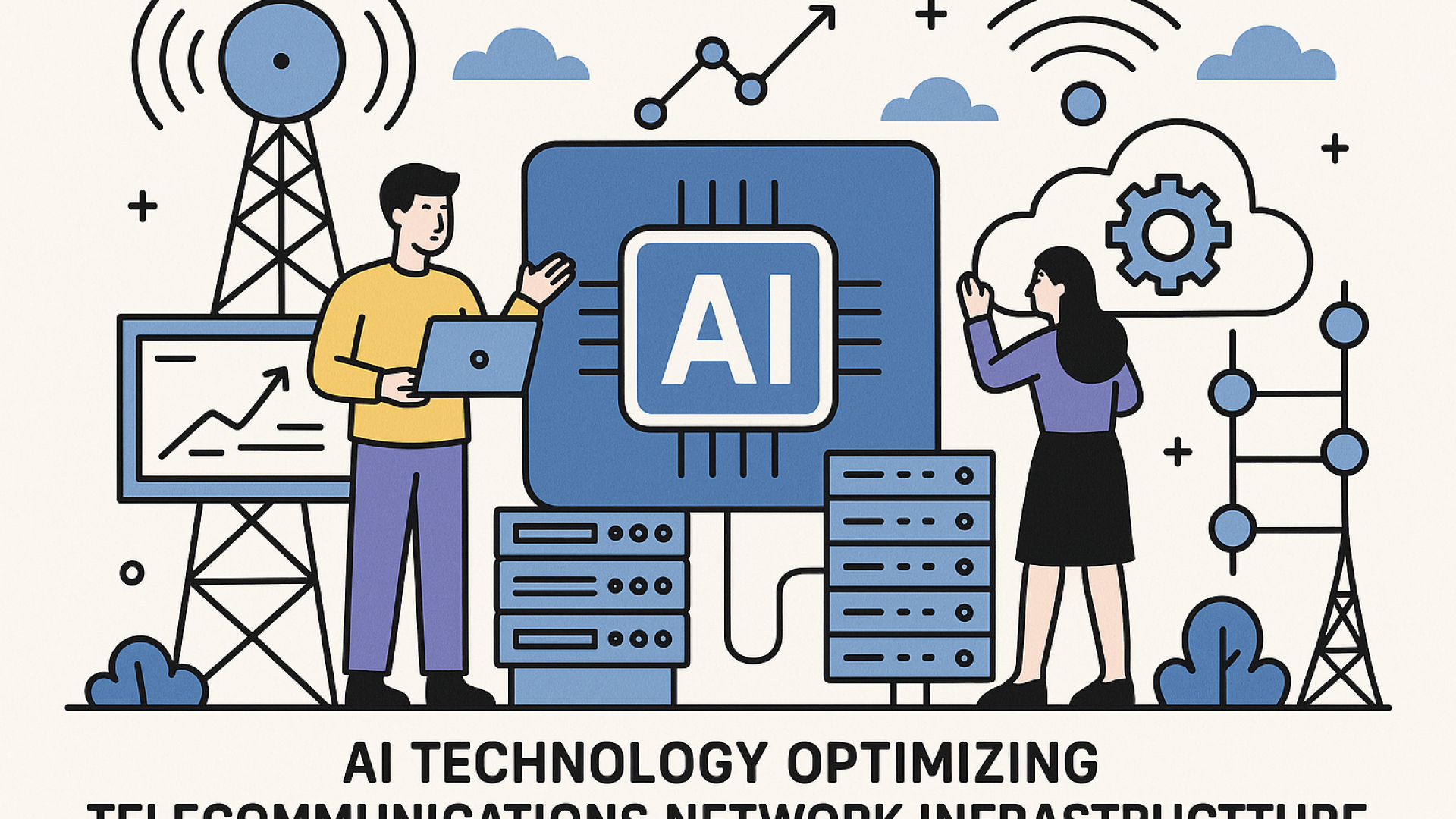
At the heart of Lumen’s cost-cutting strategy is the deployment of advanced AI algorithms designed to automate and enhance network operations. This includes predictive maintenance, traffic management, fault detection, and resource allocation. By analyzing vast amounts of network data in real-time, AI systems can identify patterns and anomalies that human operators might miss, enabling proactive interventions that reduce downtime and operational expenses.
- Predictive Maintenance: AI models forecast potential equipment failures before they occur, allowing for timely repairs and minimizing service disruptions. This proactive approach not only extends the lifespan of network components but also reduces emergency repair costs and customer dissatisfaction.
- Dynamic Traffic Management: AI optimizes data flow across the network, balancing loads and preventing congestion during peak usage periods. By intelligently routing traffic and anticipating demand spikes, the system ensures consistent quality of service even under heavy network strain.
- Fault Detection and Resolution: Automated systems quickly pinpoint issues and, in some cases, initiate corrective actions without human intervention. This rapid response capability minimizes downtime and enhances network resilience, critical for both consumer and enterprise clients.
- Resource Allocation: AI helps allocate bandwidth and computing resources more efficiently, reducing waste and improving customer experience. By dynamically adjusting resource distribution based on real-time needs, Lumen can optimize network performance while controlling operational costs.
These AI-driven capabilities collectively contribute to a more agile, efficient, and cost-effective network infrastructure, positioning Lumen Technologies at the forefront of telecom innovation.
Challenges and Considerations
While the benefits of AI integration are clear, the transition is not without challenges. Implementing AI at scale requires significant investment in technology infrastructure and skilled personnel. Upgrading legacy systems to support AI functionalities involves complex integration efforts and potential disruptions during the transition period.
There are also concerns about data privacy and security, as AI systems rely on extensive data collection and analysis. Ensuring compliance with regulatory frameworks such as GDPR and CCPA is paramount to maintaining customer trust and avoiding legal repercussions. Lumen Technologies has committed to robust data governance policies and continuous monitoring to safeguard sensitive information.
Moreover, the shift towards automation raises questions about workforce impact. Lumen Technologies has emphasized the importance of retraining and upskilling employees to work alongside AI tools, ensuring that human expertise remains central to network management. By fostering a culture of continuous learning and collaboration between humans and machines, the company aims to mitigate job displacement risks and enhance overall operational effectiveness.
Broader Implications for the Telecommunications Industry
Lumen’s initiative reflects a broader trend in the telecom sector, where AI and machine learning are becoming critical enablers of operational efficiency and innovation. As networks evolve towards 5G and beyond, the complexity of managing these systems will only increase, making AI indispensable.
Other industry players are also investing heavily in AI-driven solutions, from customer service chatbots to automated network provisioning. The competitive advantage gained through AI adoption could be significant, influencing market dynamics and customer expectations. Companies that successfully integrate AI into their operations are likely to achieve higher service quality, faster issue resolution, and more personalized customer experiences.
Furthermore, AI’s role extends beyond cost reduction. It enables predictive analytics for network expansion planning, enhances cybersecurity through anomaly detection, and supports the development of new services tailored to emerging market needs. This multifaceted impact underscores AI’s transformative potential across the telecommunications value chain.
Potential Solutions and Future Outlook
To maximize the benefits of AI, Lumen Technologies and similar companies must focus on several key areas:
- Robust Data Governance: Establishing clear policies to protect customer data and ensure compliance with regulations. This includes implementing encryption, anonymization techniques, and regular audits to maintain data integrity and privacy.
- Collaborative Workforce Development: Investing in training programs that equip employees with AI literacy and technical skills. Encouraging cross-functional teams to collaborate on AI projects fosters innovation and smooth integration.
- Scalable AI Infrastructure: Building flexible platforms that can adapt to evolving network demands and technological advancements. Cloud-native architectures and edge computing capabilities will be critical to support real-time AI processing at scale.
- Continuous Innovation: Encouraging research and development to refine AI models and explore new applications. Partnerships with academic institutions, startups, and technology vendors can accelerate innovation cycles.
Looking ahead, the integration of AI in network management is expected to deepen, with advancements in edge computing and quantum technologies potentially unlocking new capabilities. Edge computing will enable AI algorithms to process data closer to the source, reducing latency and enhancing responsiveness. Quantum computing, though still in early stages, promises to revolutionize optimization problems and data analysis, further enhancing network efficiency.
Lumen’s $1 billion cost reduction target is ambitious but achievable, setting a benchmark for the industry. Success in this endeavor could inspire widespread adoption of AI-driven strategies, accelerating the digital transformation of telecommunications worldwide.
Conclusion
Lumen Technologies’ strategic use of artificial intelligence to cut $1 billion in network costs represents a significant milestone in telecommunications innovation. By embracing AI-driven automation and optimization, the company is addressing the challenges of modern network management while positioning itself for future growth. This initiative underscores the transformative potential of AI in reshaping how critical infrastructure is maintained and operated, offering valuable lessons for the broader industry.
As digital connectivity continues to underpin economic and social activities worldwide, the success of such initiatives will be crucial in ensuring that networks remain resilient, efficient, and capable of meeting the demands of tomorrow. Lumen Technologies’ pioneering efforts demonstrate that with the right combination of technology, strategy, and human expertise, the telecommunications sector can achieve unprecedented levels of performance and cost-effectiveness.