 4 months ago
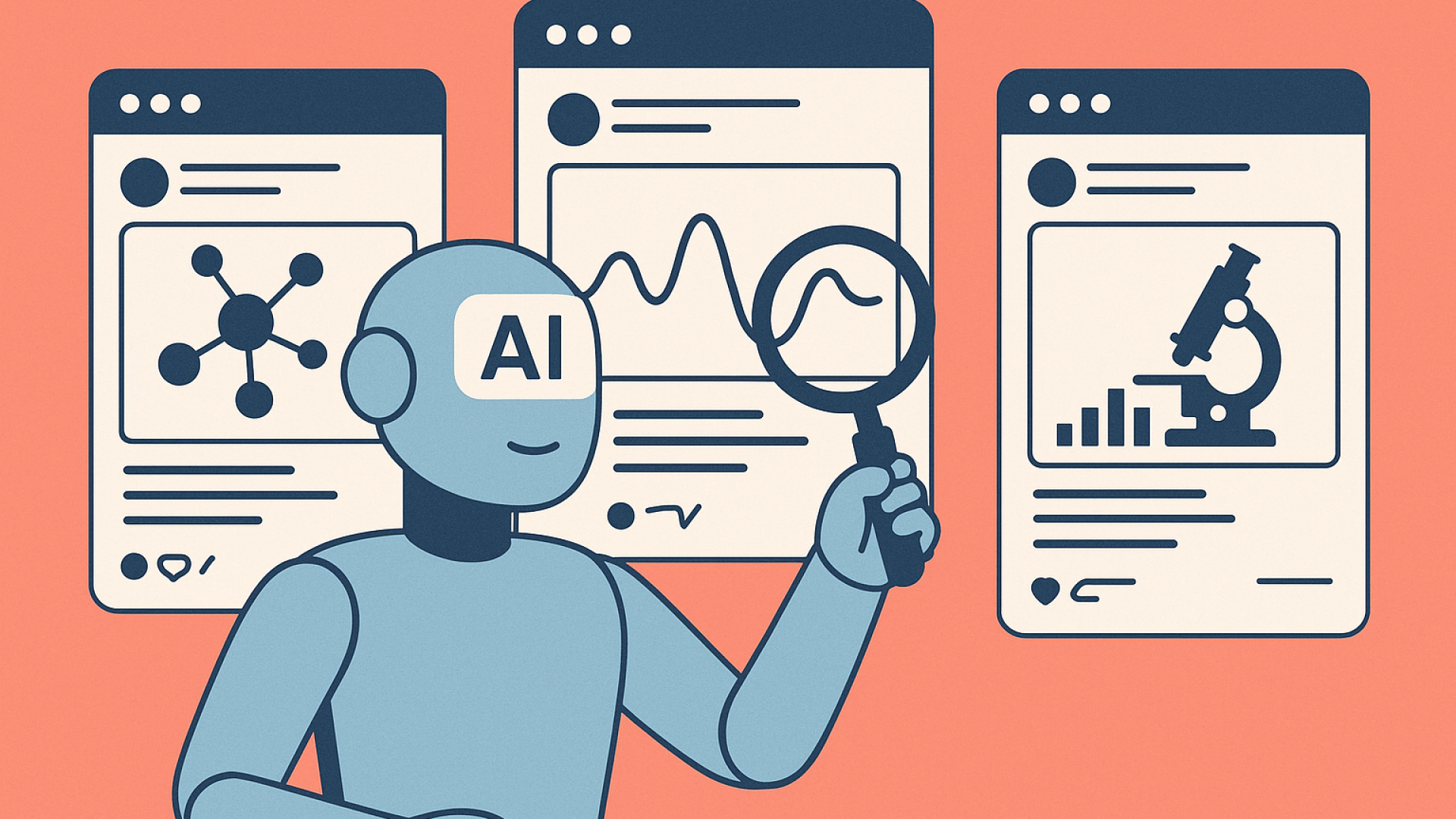
In the digital age, social media platforms have become primary sources of information for millions worldwide. While these platforms offer unprecedented access to knowledge and real-time updates, they also serve as fertile ground for misinformation, particularly concerning scientific claims. The rapid spread of unverified or false scientific information can have profound consequences, influencing public opinion, health decisions, and policy-making. To address this challenge, innovative solutions leveraging artificial intelligence (AI) are being developed to verify scientific claims on social media, aiming to restore trust and promote informed discourse.
Context: The Rise of Scientific Misinformation on Social Media
Social media's democratization of information sharing has empowered individuals to contribute to public conversations. However, this openness has also led to the unchecked dissemination of misleading or incorrect scientific statements. Topics ranging from climate change and vaccination to nutrition and emerging technologies are frequently subject to distortion or oversimplification. The viral nature of social media content means that misinformation can spread rapidly, often outpacing efforts to correct it.
The consequences of such misinformation are tangible and far-reaching. Public health crises, such as vaccine hesitancy, have been exacerbated by false claims circulating online, leading to decreased vaccination rates and outbreaks of preventable diseases. Similarly, skepticism about climate science hampers global efforts to address environmental challenges, delaying critical policy actions. The sheer volume and velocity of content make manual fact-checking impractical, necessitating automated, scalable approaches that can keep pace with the flow of information.
The Core: AI as a Tool for Scientific Claim Verification
Artificial intelligence, particularly advances in natural language processing (NLP) and machine learning, offers promising avenues to tackle misinformation. AI systems can analyze vast amounts of text, identify claims, and cross-reference them against credible scientific databases and peer-reviewed literature. These technologies enable real-time or near-real-time verification, providing users with immediate feedback on the reliability of the information they encounter.
- Claim Detection: AI algorithms scan social media posts to detect statements that assert scientific facts or findings. This step involves understanding context, semantics, and distinguishing between opinions, hypotheses, and verifiable claims. Advanced models use contextual embeddings and semantic analysis to improve accuracy in identifying relevant claims.
- Evidence Retrieval: Once a claim is identified, AI tools search scientific repositories, journals, and databases to find relevant studies or data that support or refute the claim. This process leverages large-scale scientific knowledge bases, such as PubMed, arXiv, and other open-access repositories, ensuring comprehensive coverage of current research.
- Assessment and Scoring: The AI evaluates the strength and consensus of the evidence, considering factors such as study quality, publication date, sample size, and scientific consensus, to assign a credibility score to the claim. This scoring helps users understand the degree of confidence in the claim's validity.
- User Feedback and Transparency: To build trust, AI platforms often provide users with summaries of the evidence and explanations of the verification process, enabling informed judgment rather than blind acceptance. Transparency about the AI’s methodology and limitations is critical to fostering user confidence.
Several pilot projects and startups have begun integrating these AI capabilities into browser extensions, social media plugins, and mobile apps, offering real-time verification as users browse content. For example, some tools highlight questionable claims and provide links to authoritative sources, while others offer detailed reports on the scientific consensus surrounding a topic.
Challenges and Limitations
Despite its potential, AI-driven verification faces significant hurdles that must be addressed to ensure effectiveness and ethical deployment.
- Complexity of Scientific Language: Scientific claims often involve nuanced terminology, complex methodologies, and context-dependent meanings that can be difficult for AI to interpret accurately. Ambiguities, jargon, and evolving terminology pose challenges for natural language understanding models.
- Dynamic and Evolving Knowledge: Scientific understanding evolves rapidly, and AI systems must continuously update their databases to reflect the latest research. Outdated information can lead to incorrect assessments, so maintaining current and comprehensive datasets is essential.
- Bias and Data Quality: AI models rely on the quality and diversity of training data. Incomplete, biased, or non-representative datasets can lead to erroneous assessments or reinforce existing biases, potentially skewing verification outcomes.
- Manipulation and Adversarial Attacks: Malicious actors may attempt to deceive AI systems by crafting misleading content designed to evade detection or exploit algorithmic weaknesses. This adversarial behavior requires robust defenses and adaptive learning mechanisms.
- Ethical and Privacy Concerns: Collecting and analyzing user-generated content raises questions about consent, data security, and potential censorship. Balancing misinformation mitigation with respect for user privacy and freedom of expression is a delicate task.
Solutions and Future Directions
To overcome these challenges, a multi-faceted approach is essential, combining technological innovation with human expertise and policy frameworks.
- Human-AI Collaboration: Combining AI efficiency with expert human judgment can improve accuracy and contextual understanding. Human reviewers can validate AI findings, provide nuanced interpretations, and handle complex cases beyond AI’s current capabilities.
- Continuous Learning Systems: Implementing AI models that adapt to new scientific findings and user feedback ensures relevance and reliability. Leveraging techniques such as active learning and reinforcement learning can help AI systems evolve alongside scientific progress.
- Open Science and Data Sharing: Encouraging transparency in research and open access to scientific data enhances AI’s ability to verify claims. Collaborative platforms and standardized data formats facilitate integration and improve verification accuracy.
- Public Education and Digital Literacy: Empowering users to critically evaluate information complements technological solutions and fosters a more informed public. Educational initiatives can teach users how to interpret scientific evidence and recognize misinformation tactics.
- Regulatory Frameworks: Developing policies that balance misinformation mitigation with free expression and privacy rights is crucial. Clear guidelines can support responsible AI deployment and protect users’ rights while addressing the spread of false information.
Collaborations between technology companies, academic institutions, and public organizations are underway to pilot AI verification tools and refine methodologies. For example, partnerships with universities specializing in information science, public health, and ethics provide authoritative datasets, expert oversight, and guidance on best practices. These collaborations also facilitate the development of standardized benchmarks and evaluation metrics for AI verification systems.
Conclusion: Navigating Truth in an Era of Information Overload
The proliferation of scientific misinformation on social media poses a significant threat to public understanding and decision-making. AI-powered verification tools represent a promising frontier in combating this issue by providing scalable, timely, and evidence-based assessments of scientific claims. While challenges remain, ongoing advancements in AI technology, combined with human expertise and supportive policies, can help create a digital environment where truth prevails and users are better equipped to navigate the complexities of scientific information.
As society continues to grapple with the consequences of misinformation, embracing innovative solutions like AI verification is not just beneficial but necessary. By fostering collaboration across sectors and investing in education and transparency, we can harness technology to uphold the integrity of scientific discourse and promote a healthier, more informed global community. Ultimately, the integration of AI tools into the social media ecosystem offers a pathway to reclaiming trust in science and empowering individuals to make decisions grounded in accurate, reliable information.