 1 hour ago
Introduction
On March 22, 2026, the Middle East once again finds itself engulfed in escalating conflict and deepening humanitarian crises. Iranian missile strikes targeting Israeli desert towns have caused numerous injuries and heightened fears of a broader regional war. Simultaneously, a devastating attack on El-Daein Teaching Hospital in Sudan's South Darfur region has resulted in at least 64 deaths, according to the World Health Organization (WHO). These tragic events have drawn widespread international attention and condemnation, including a poignant denunciation from Pope Leo, who described the ongoing war as a "scandal" to humanity. This article delves into the complex context behind these incidents, the core developments unfolding on the ground, and explores potential pathways toward peace amid these turbulent times.
Context: A Region on Edge
The Middle East has long been a region marked by intricate geopolitical rivalries, sectarian divisions, and competing national interests. The recent flare-ups are deeply rooted in a web of historical grievances, unresolved conflicts, and contemporary power struggles that continue to shape the region's volatile landscape.
Iran’s missile strikes on Israeli desert towns represent a significant escalation in the ongoing proxy conflicts between Tehran and Tel Aviv. These attacks come amid heightened tensions following a series of failed diplomatic efforts, aggressive rhetoric, and military posturing from both sides. Notably, former U.S. President Donald Trump’s recent threats to "obliterate" Iran’s energy infrastructure within 48 hours if provocations continued have done little to deter Tehran, which remains defiant and unyielding in its strategic objectives.
Meanwhile, Sudan is grappling with its own internal conflict, particularly between the Sudanese Armed Forces (SAF) and the Rapid Support Forces (RSF). This power struggle has plunged the country into chaos, with widespread violence and instability. The attack on El-Daein Teaching Hospital, which the Sudanese army denies involvement in, has further complicated the fragile security situation and raised urgent questions about accountability and the protection of civilians caught in the crossfire.
Core Developments
Iranian Missile Strikes on Israeli Desert Towns
On March 21, 2026, Iranian forces launched a series of missile strikes targeting several Israeli desert towns, marking one of the most significant escalations in recent years. The attacks resulted in scores of injuries, overwhelming local hospitals with wounded civilians and military personnel alike. These strikes are widely believed to be retaliation for recent Israeli military operations in neighboring territories, though official statements from Tehran have been cautious and strategic in their ambiguity.
The Israeli government swiftly condemned the attacks as acts of terrorism and vowed a strong military response to safeguard its citizens and territorial integrity. The strikes have also raised serious concerns about the potential for a broader regional conflict, as Israel’s allies, including the United States and several Gulf states, closely monitor the situation and consider their strategic options.
El-Daein Teaching Hospital Attack in Sudan
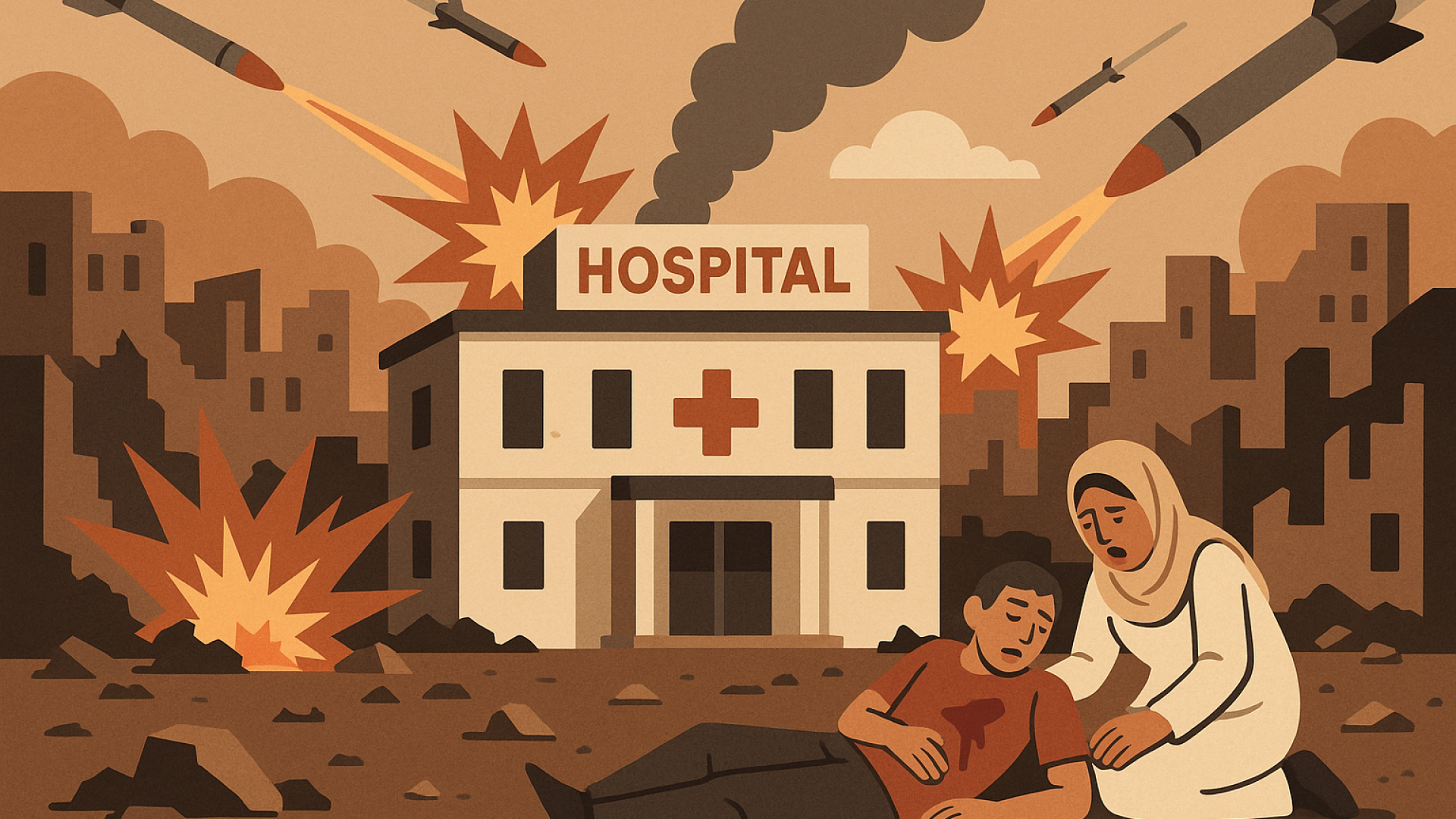
The World Health Organization reported that at least 64 people were killed in a brutal attack on El-Daein Teaching Hospital in Sudan’s South Darfur region. This hospital, a critical healthcare facility serving thousands in the region, was struck amid ongoing clashes between the Sudanese Armed Forces and the Rapid Support Forces. The attack has devastated the local community and further strained Sudan’s already fragile health infrastructure.
While the Sudanese army denies involvement in the attack, international observers and humanitarian organizations have expressed grave concern over the targeting of civilian infrastructure. Medical staff and patients were caught in the crossfire, exacerbating the humanitarian crisis and highlighting the urgent need for protection of non-combatants in conflict zones.
Pope Leo’s Statement on the Middle East War
In response to the escalating violence, Pope Leo issued a solemn and heartfelt statement condemning the ongoing war in the Middle East as a "scandal" to humanity. He called on all parties involved to seek peaceful dialogue and reconciliation, emphasizing the profound human cost of continued violence. The Pope’s remarks have resonated globally, adding moral weight to international calls for de-escalation, humanitarian aid, and renewed diplomatic efforts.
Analysis: Underlying Factors and Global Implications
The recent developments underscore several critical issues shaping the Middle East conflict landscape and its broader global implications.
- Proxy Warfare and Regional Rivalries: Iran’s missile strikes reflect its strategic intent to assert influence and challenge Israeli dominance in the region. Proxy groups and allied militias continue to play pivotal roles, complicating direct conflict resolution and increasing the risk of unintended escalation.
- Fragile State Institutions: Sudan’s internal conflict highlights the challenges of governance, security, and state-building in post-conflict and fragile states. The attack on El-Daein Teaching Hospital illustrates the vulnerability of civilian infrastructure and the dire consequences of failing to protect non-combatants.
- International Diplomatic Challenges: Despite ongoing efforts by global powers, including the United States, the United Nations, and regional organizations, diplomatic solutions remain elusive. Hardline rhetoric, mutual distrust, and military posturing have hindered meaningful progress toward peace.
- Humanitarian Crisis: The toll on civilians—including casualties, displacement, and disruption of essential services—demands urgent international attention and coordinated aid efforts. The humanitarian situation in both Israel’s border communities and Sudan is deteriorating rapidly.
Potential Solutions and Pathways Forward
Addressing the escalating conflict requires a comprehensive and multifaceted approach involving regional actors, international organizations, and civil society stakeholders.
1. Renewed Diplomatic Engagement
International mediators must intensify efforts to bring conflicting parties to the negotiating table. Confidence-building measures, such as ceasefires, humanitarian corridors, and prisoner exchanges, could pave the way for substantive peace talks. Engaging regional powers and leveraging their influence will be crucial to achieving durable agreements.
2. Strengthening Humanitarian Assistance
Immediate support for affected populations, especially in Sudan and Israeli border communities, is critical. Enhanced funding and logistical support for medical facilities, food security programs, shelter, and psychological support can alleviate suffering and stabilize vulnerable communities. Coordination among UN agencies, NGOs, and local actors is essential to maximize impact.
3. Addressing Root Causes
Long-term peace depends on resolving the underlying political, economic, and social grievances that fuel conflict. This includes addressing governance deficits and security sector reform in Sudan, as well as regional security concerns related to Iran and Israel. Promoting inclusive political processes and economic development can help reduce tensions and build resilience.
4. International Accountability Mechanisms
Transparent and impartial investigations into attacks on civilian infrastructure, such as the El-Daein hospital, must be conducted. Holding perpetrators accountable through international legal frameworks can deter future violations and promote justice. Strengthening international norms protecting civilians in conflict zones remains a priority.
Conclusion
The events of March 2026 serve as a stark reminder of the fragility of peace in the Middle East and the devastating human cost of ongoing conflict. Iranian missile strikes on Israeli towns and the tragic hospital attack in Sudan have intensified regional tensions and underscored the urgent need for comprehensive and coordinated solutions.
Global leaders, regional powers, humanitarian organizations, and civil society must come together to prioritize diplomacy, humanitarian aid, and justice. Only through sustained and collaborative efforts can the cycle of violence be broken and a more stable, peaceful future be envisioned for the people of the Middle East. The path forward is fraught with challenges, but the imperative to protect human life and dignity demands unwavering commitment and action from the international community.