 1 hour ago
As the world steps into late March 2026, several significant geopolitical and socio-political developments are shaping the international landscape. From escalating military tensions in the Indian Ocean to pivotal political decisions in Europe and North America, the global community faces a complex web of challenges and opportunities. This article explores the key events of the day, providing context, analysis, and potential pathways forward.
Context: Rising Global Tensions and Political Shifts
Recent weeks have witnessed a surge in geopolitical friction, particularly involving Iran and Western powers. The launch of missiles by Iran targeting a US-UK military base in the Indian Ocean marks a critical escalation in regional hostilities. This act follows a backdrop of heightened rhetoric and strategic posturing, including threats from former US President Donald Trump to strike Iranian power plants over the Hormuz blockade. These developments have not only intensified military alertness but have also raised concerns about the stability of vital maritime routes that underpin global energy supplies and trade.
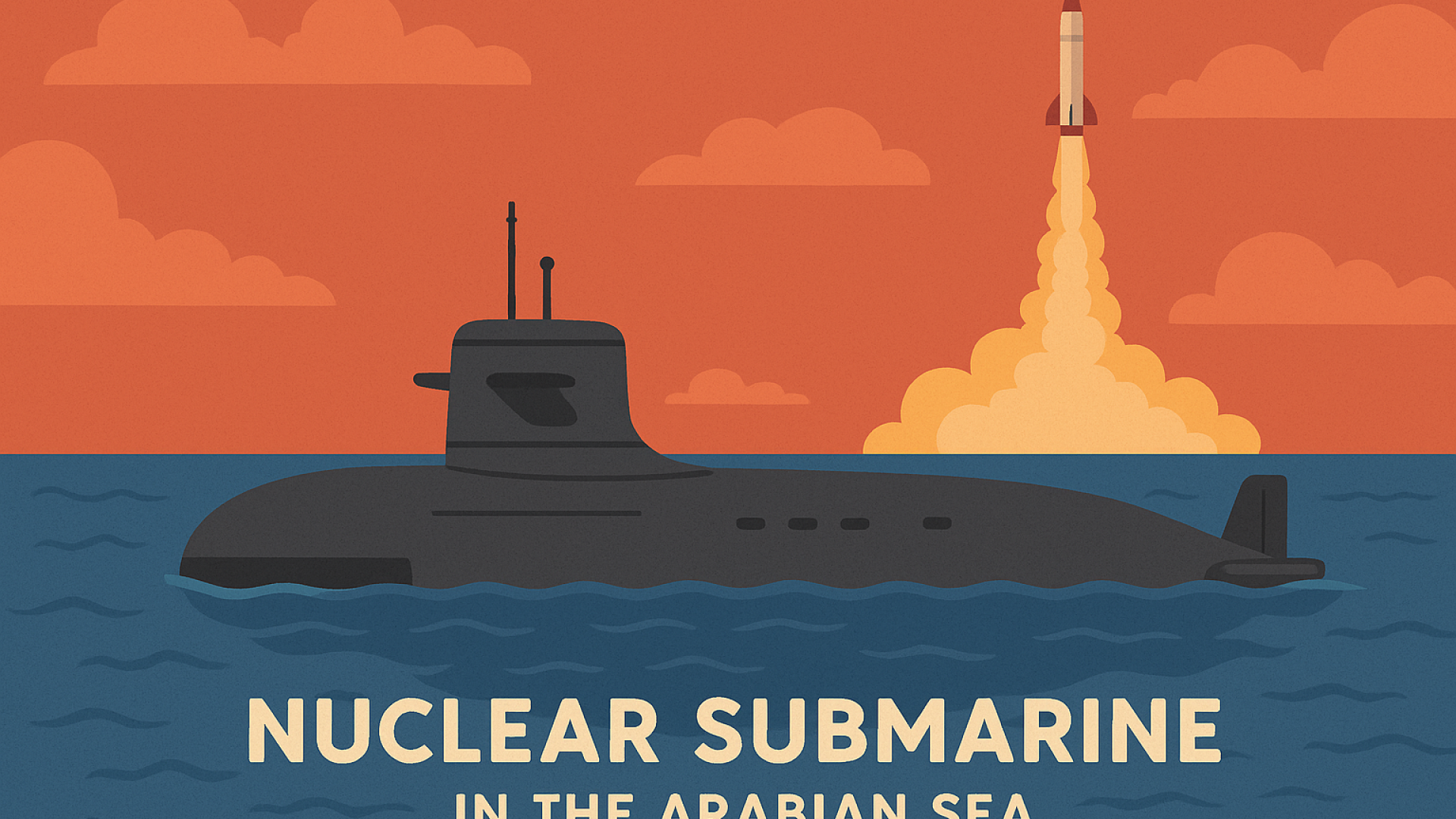
Simultaneously, the United Kingdom has responded to these tensions by deploying a nuclear-powered submarine to the Arabian Sea, signaling a robust military presence in a volatile region. This move, reported by the Daily Mail, underscores the UK's commitment to safeguarding its interests and supporting allied forces amid growing instability. The deployment reflects a strategic shift towards demonstrating naval strength and deterrence capabilities far from British shores, emphasizing the importance of maintaining freedom of navigation and regional security in the face of emerging threats.
Meanwhile, political landscapes in other parts of the world are also in flux. Italy is holding a referendum on constitutional changes that could reshape its governance structure, while Slovenia faces a tight electoral contest between liberal and populist right-wing factions. In Canada, Quebec's secularism law is advancing to the Supreme Court, highlighting ongoing debates about cultural identity and legal frameworks. These political developments reveal a broader pattern of societal debates and democratic challenges that are unfolding alongside the military tensions, reflecting the interconnected nature of global stability.
Core Developments and Their Implications
Iran's Missile Strikes and Regional Security
On March 22, 2026, Iran launched missiles at a US-UK military base located in the Indian Ocean, an act that has intensified concerns about stability in a region already fraught with conflict. The strikes are widely interpreted as retaliation for perceived provocations and part of Iran's broader strategy to assert influence over critical maritime routes, including the Strait of Hormuz. This strategic waterway is a chokepoint for a significant portion of the world's oil shipments, making any disruption potentially catastrophic for global energy markets.
The immediate impact of these missile attacks includes heightened military alertness among Western forces and their allies, increased risk of miscalculation, and potential disruptions to global shipping lanes vital for energy supplies. Analysts warn that continued escalation could draw in multiple actors, risking a wider regional conflict with global repercussions. The strikes have also prompted discussions within international forums about the need for renewed diplomatic engagement and conflict prevention mechanisms to avoid further deterioration of security in the Middle East and surrounding waters.
UK's Strategic Military Deployment
In response to the growing threat environment, the UK has deployed a nuclear-powered submarine to the Arabian Sea. This deployment serves multiple strategic purposes: deterrence against further Iranian aggression, reassurance to regional partners, and demonstration of the UK's naval capabilities far from its home waters. The submarine's advanced stealth and surveillance technologies provide the UK with enhanced intelligence-gathering capabilities, enabling real-time monitoring of maritime activities and potential threats.
The presence of such a submarine enhances intelligence-gathering and rapid response options, but it also raises the stakes in an already tense maritime theater. The UK government has emphasized that its actions are defensive and aimed at maintaining freedom of navigation and regional security. However, this move may provoke countermeasures from Iran and its allies, potentially escalating military posturing and increasing the risk of unintended confrontations. The deployment also signals the UK's intent to remain a key player in global security affairs post-Brexit, reaffirming its commitment to international alliances and regional stability.
Political Developments in Europe and North America
Italy's referendum on constitutional reform represents a critical juncture for the country's political future. Proposed changes aim to streamline governance and potentially recalibrate the balance of power between national and regional authorities. Supporters argue that these reforms will enhance governmental efficiency and responsiveness, while opponents fear they may undermine regional autonomy and democratic checks and balances. The referendum's outcome could influence Italy's stability and its role within the European Union, especially as the bloc navigates its own internal challenges and external pressures.
In Slovenia, the electoral contest between liberals and the populist right is closely watched as a barometer of broader European political trends. A shift toward populism could affect Slovenia's domestic policies and its engagement with EU institutions, potentially impacting issues such as migration, economic reform, and foreign policy alignment. The election results may also reflect wider societal sentiments about globalization, national identity, and governance, themes resonating across many European countries.
Across the Atlantic, the Underground Railroad museum has filed a lawsuit against the Trump administration, alleging racial discrimination after a grant cancellation. This legal action highlights ongoing tensions in the US regarding race, historical memory, and federal funding priorities. The case underscores the broader national discourse on social justice, equity, and the role of government in addressing historical injustices. It also reflects the challenges faced by cultural institutions in securing support amidst shifting political landscapes.
Potential Solutions and Forward-Looking Perspectives
De-escalation and Diplomatic Engagement
Given the risks posed by the missile strikes and military deployments, diplomatic efforts are paramount. International actors, including the United Nations and regional organizations, must intensify dialogue to prevent further escalation. Confidence-building measures, transparent communication channels, and third-party mediation could help reduce tensions. Engaging Iran in constructive negotiations that address security concerns and economic grievances may pave the way for de-escalation and long-term stability.
Strengthening Regional Security Frameworks
Long-term stability in the Indian Ocean and surrounding regions requires robust security frameworks that include all stakeholders. Collaborative maritime security initiatives, joint exercises, and agreements on freedom of navigation can build trust and deter unilateral aggressive actions. Establishing multilateral mechanisms for conflict resolution and information sharing could enhance transparency and reduce the likelihood of misunderstandings that lead to conflict. Regional powers, alongside global actors, must commit to cooperative security arrangements that balance national interests with collective peace.
Political Stability Through Inclusive Governance
In Europe, addressing political polarization through inclusive governance and responsive policymaking is essential. Italy and Slovenia's political outcomes will shape their domestic cohesion and international cooperation. Encouraging civic engagement, protecting democratic institutions, and fostering dialogue across political divides remain critical priorities. Policymakers should focus on addressing underlying social and economic concerns that fuel populism and disenchantment, promoting policies that enhance social welfare and economic opportunity.
Addressing Social Justice and Historical Legacies
The lawsuit filed by the Underground Railroad museum underscores the importance of confronting historical injustices and ensuring equitable access to resources. Governments must balance political considerations with commitments to social justice and cultural preservation. Supporting educational initiatives, preserving historical sites, and providing fair funding to cultural institutions contribute to a more inclusive society that acknowledges and learns from its past. These efforts are vital for healing divisions and fostering national unity.
Conclusion: Navigating a Complex Global Landscape
The events unfolding on March 22, 2026, reflect a world grappling with multifaceted challenges—from military confrontations and political transformations to social justice struggles. Navigating this complexity demands prudence, cooperation, and a commitment to peaceful resolution. As nations respond to immediate crises, they must also invest in long-term strategies that promote stability, inclusivity, and mutual respect.
For global citizens and policymakers alike, the imperative is clear: to seek solutions that transcend conflict and division, fostering a more secure and just international order. The interconnected nature of today's challenges calls for collaborative approaches that recognize shared interests and common humanity. Only through sustained dialogue, mutual understanding, and collective action can the international community hope to overcome the tensions and uncertainties defining this pivotal moment in history.